BUILDING COMMUNITY STEWARDSHIP
28 Biosphere Regions Recognized for Their Beauty, Biodiversity, and Local Livelihoods
The United States Biosphere Network (USBN) supports cooperative solutions to conserve nature and enhance quality of life.
local & national impact
Biosphere regions are special places that provide tremendous ecological and economic value
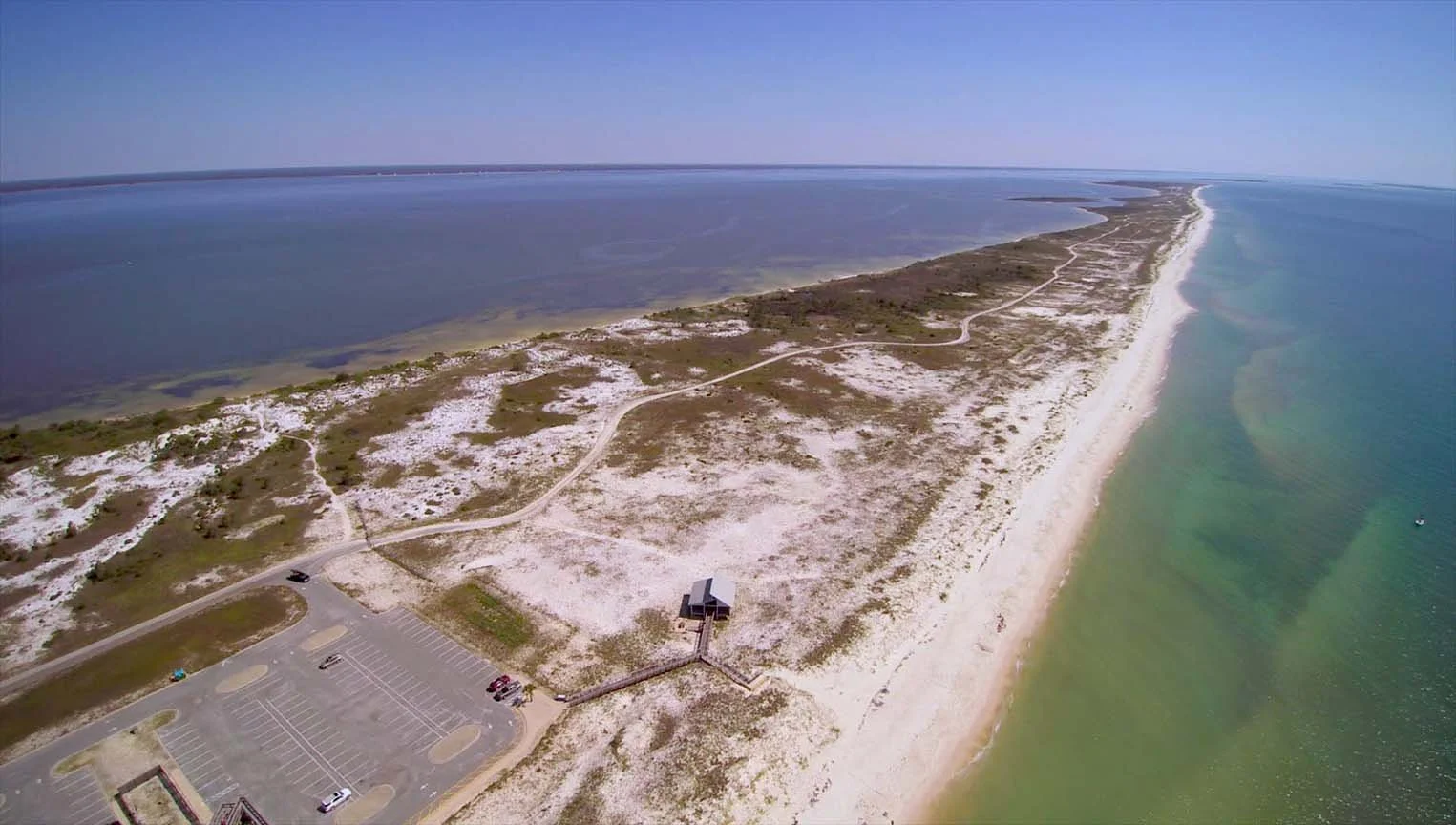
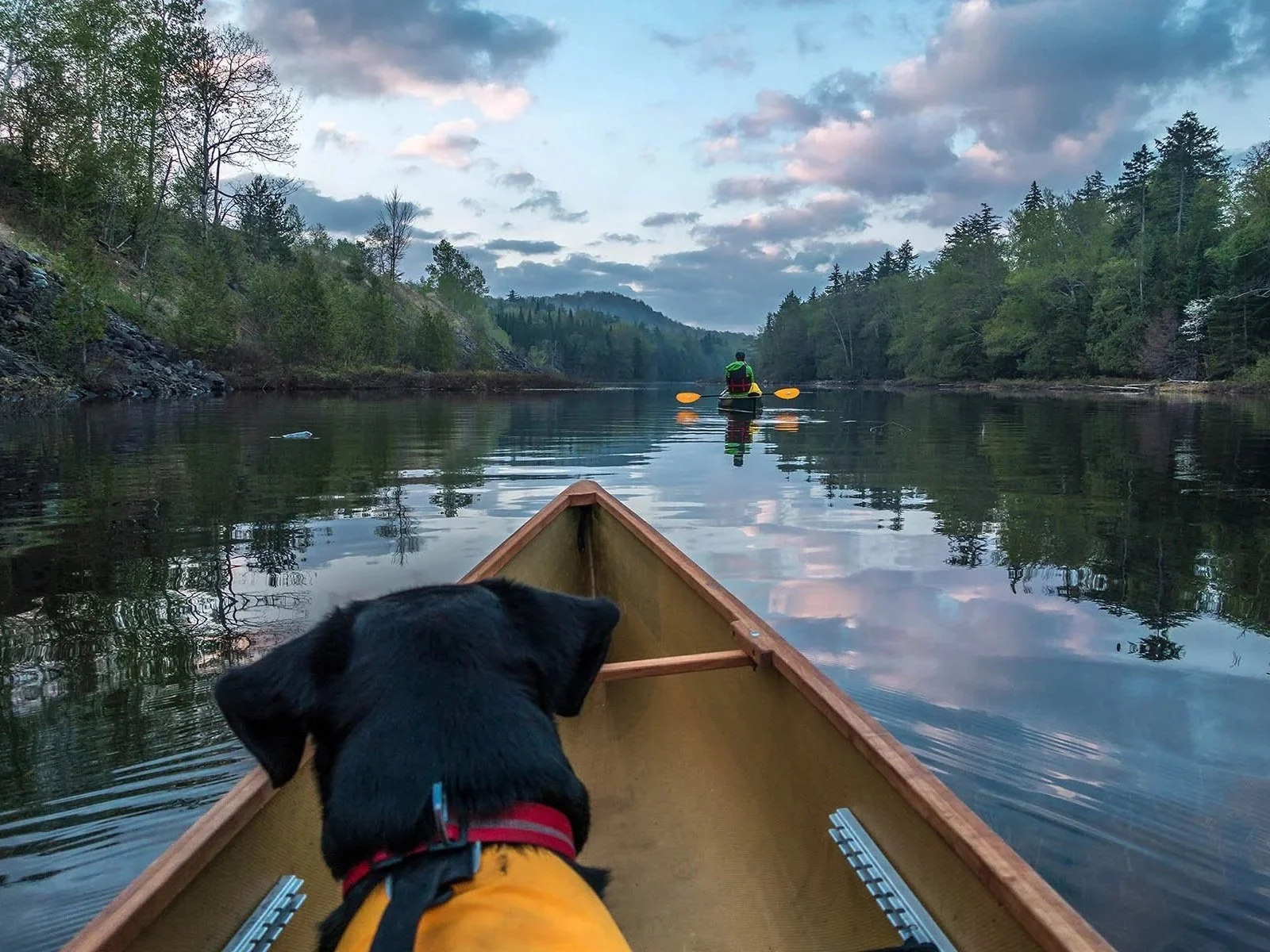
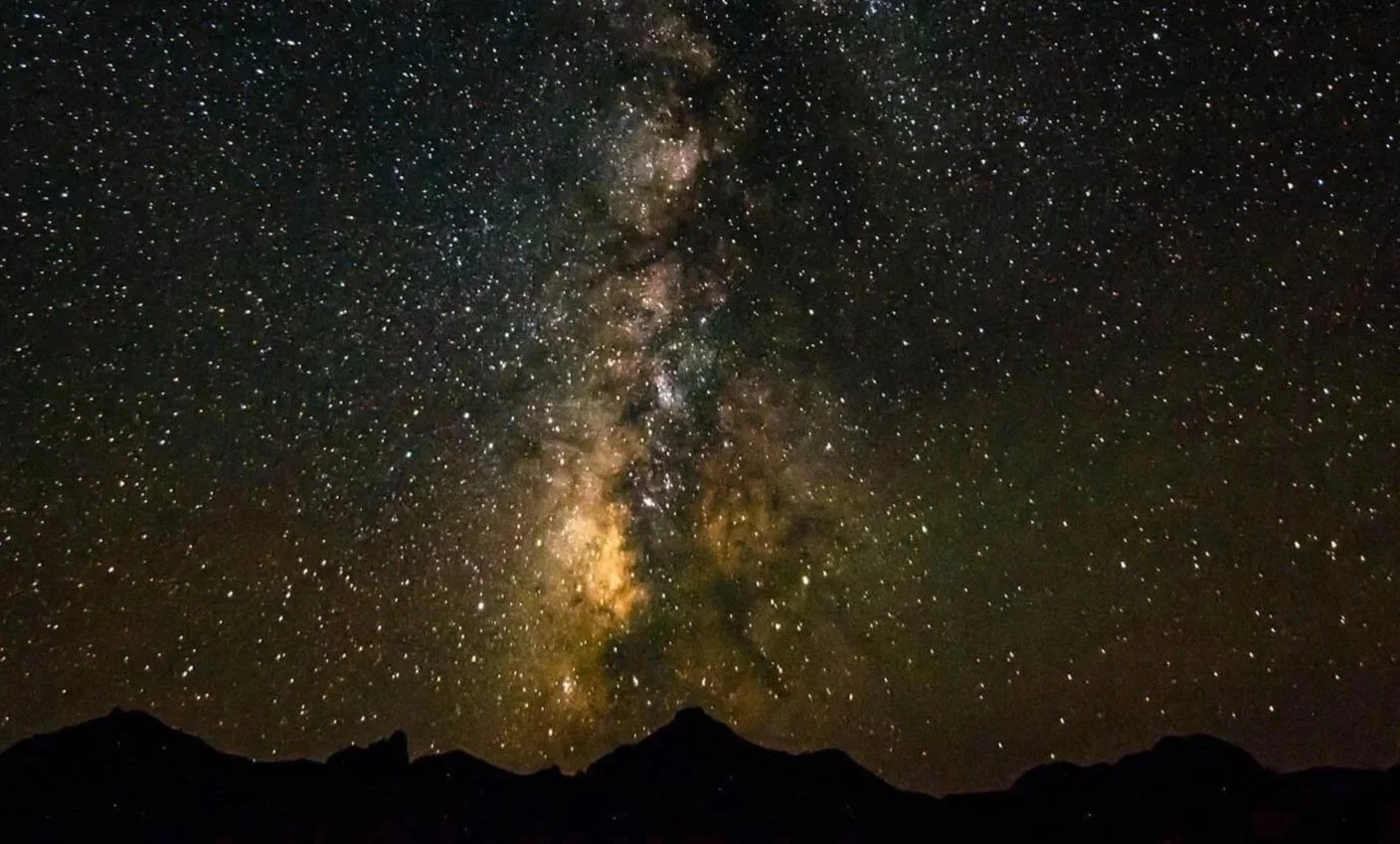
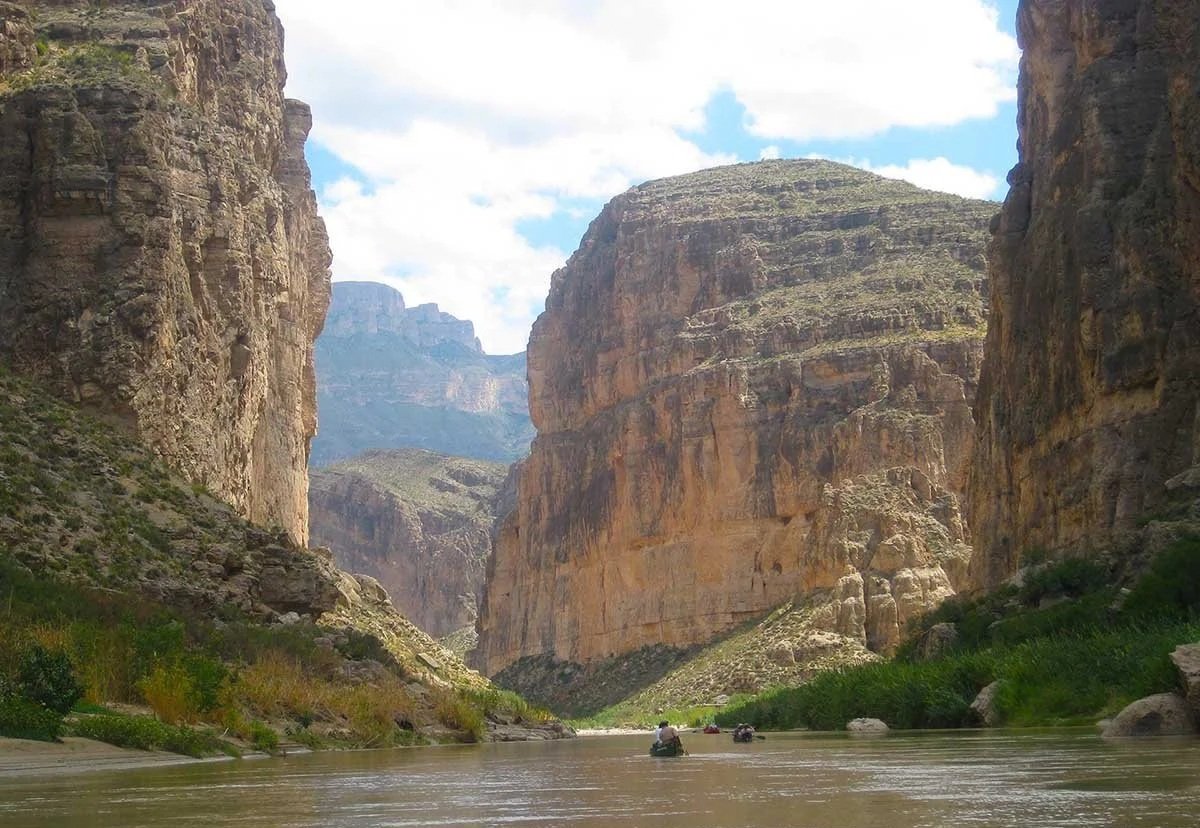
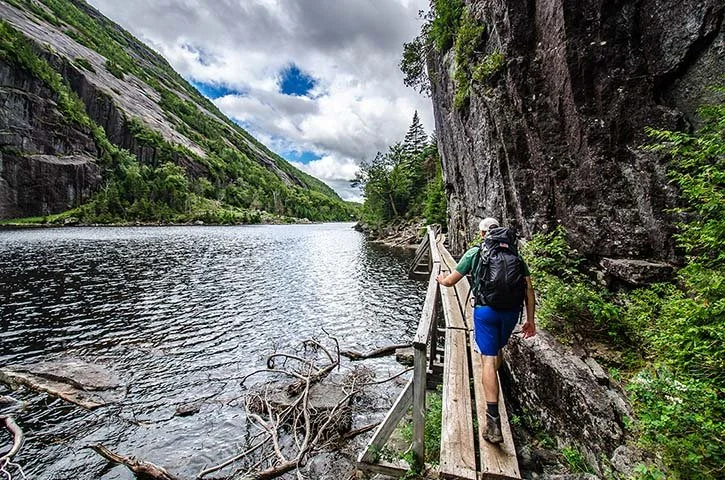
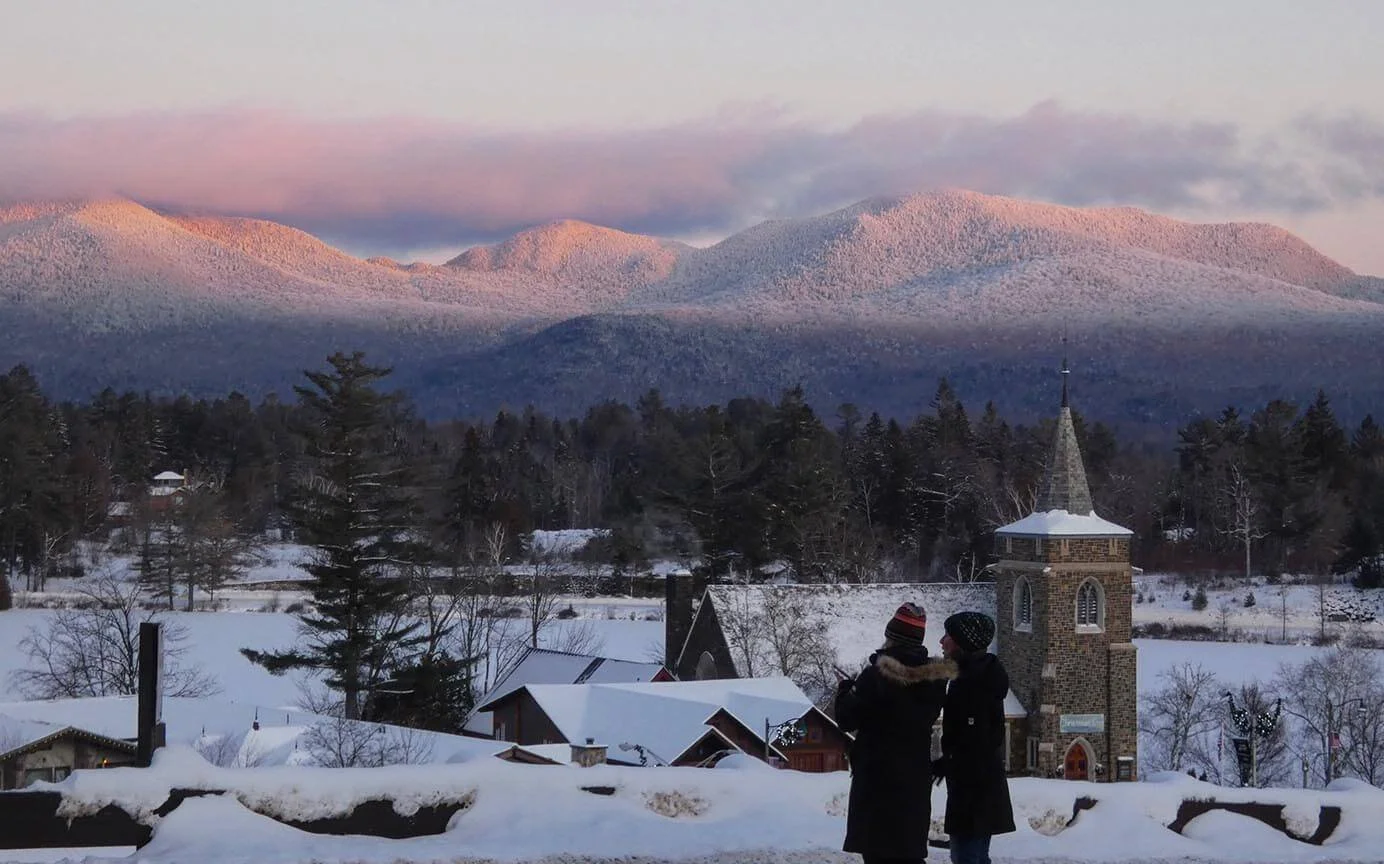
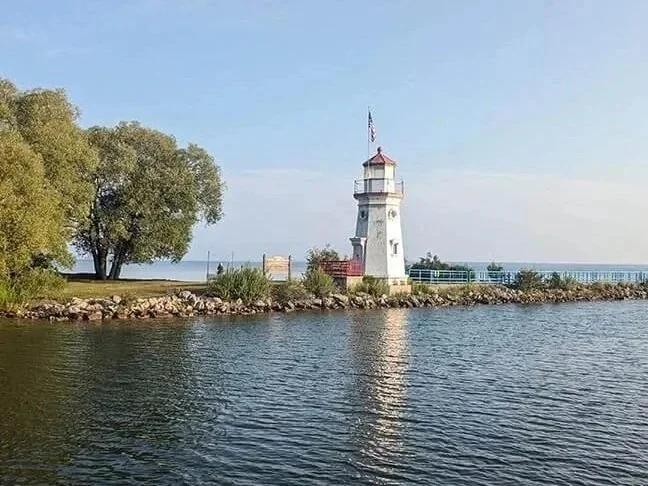
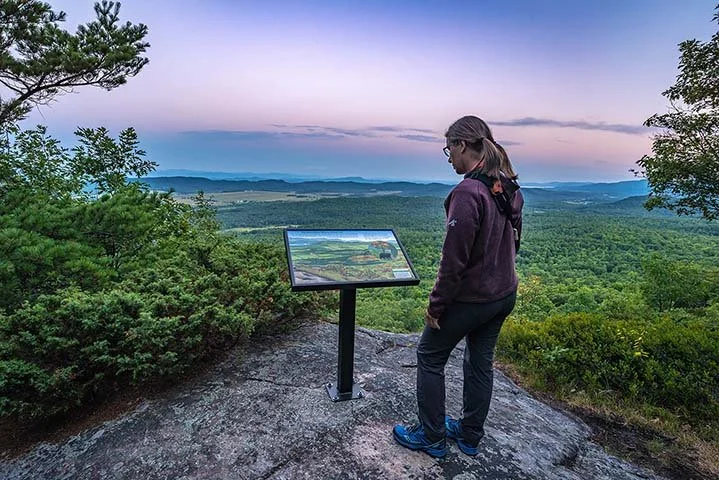
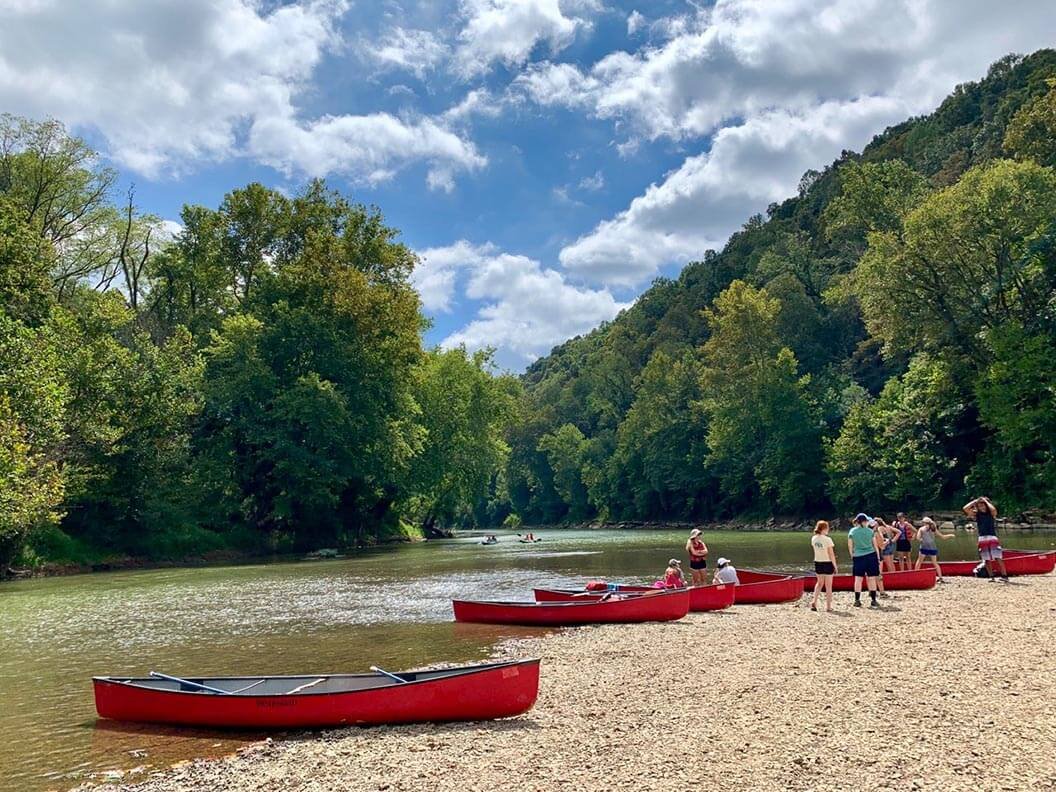
From deserts to forests, grasslands to rivers, and mountains to oceans and coasts, these are thriving regions to live, work, and play.
Partners in biosphere regions conserve the beauty and value of lands and waters and the benefits they bring to communities.
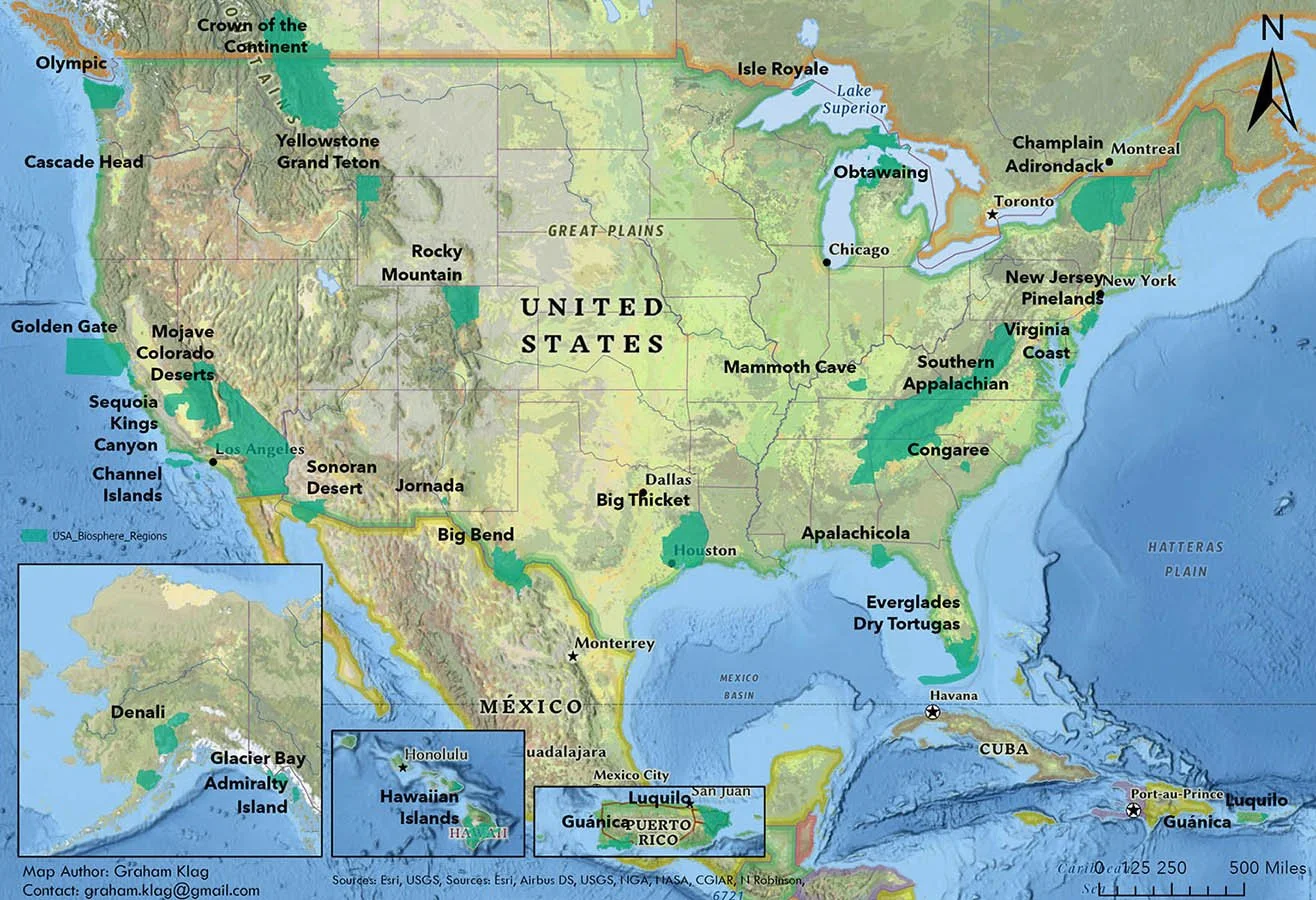
28 internationally recognized areas of ecological importance
“All flourishing is mutual.” — Robin Wall Kimmerer
Our quality of life, cultural heritage, and human well-being depend on natural systems.
“All flourishing is mutual.”
— Robin Wall Kimmerer
Our quality of life, cultural heritage, and human well-being depend on natural systems.
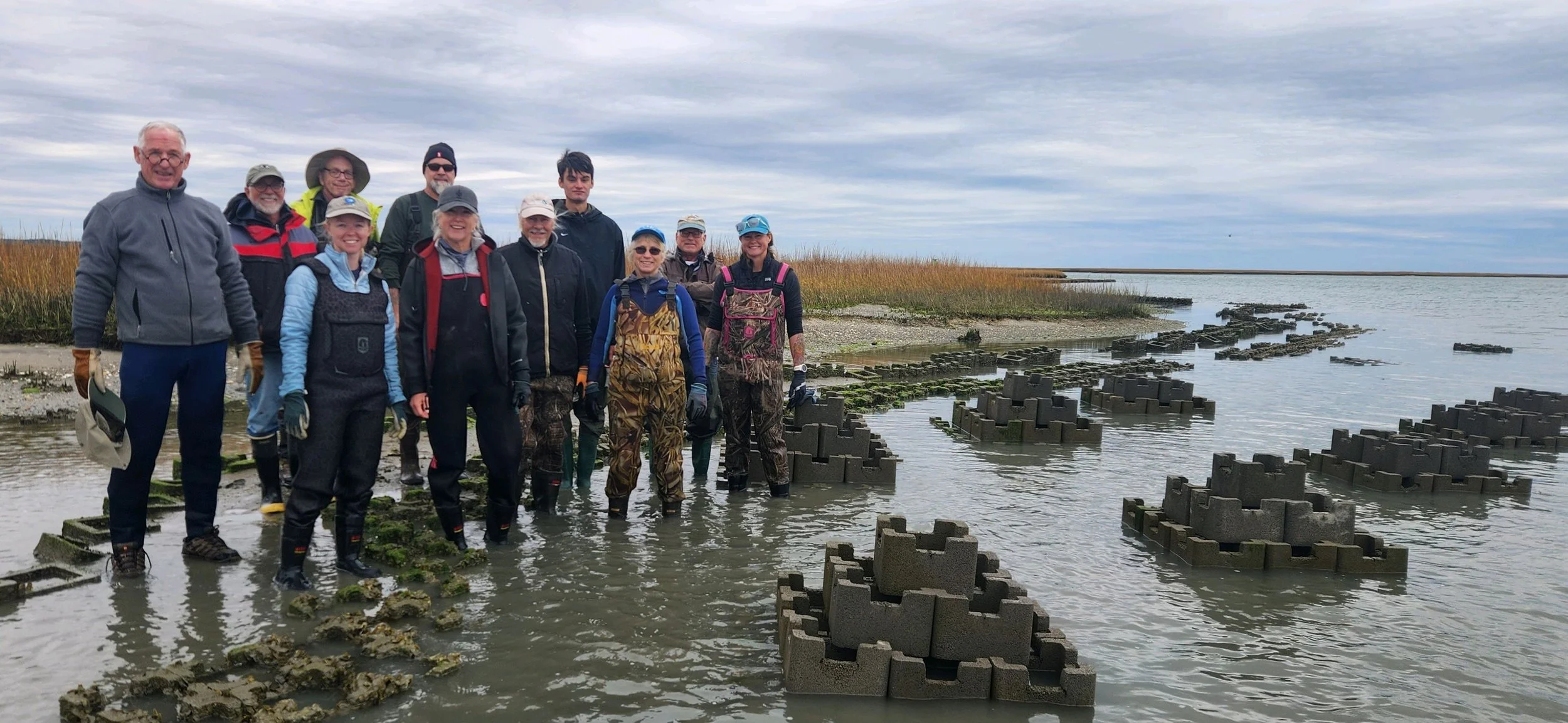
Biosphere regions educate and inspire people and organizations to conserve and restore these natural systems to sustain the vitality of their communities.
Naturally fertile soils, clean water, outdoor recreation, wildlife habitat, flood resilience, and carbon sequestration— all derive from the biosphere, i.e., our lands, air, and water.
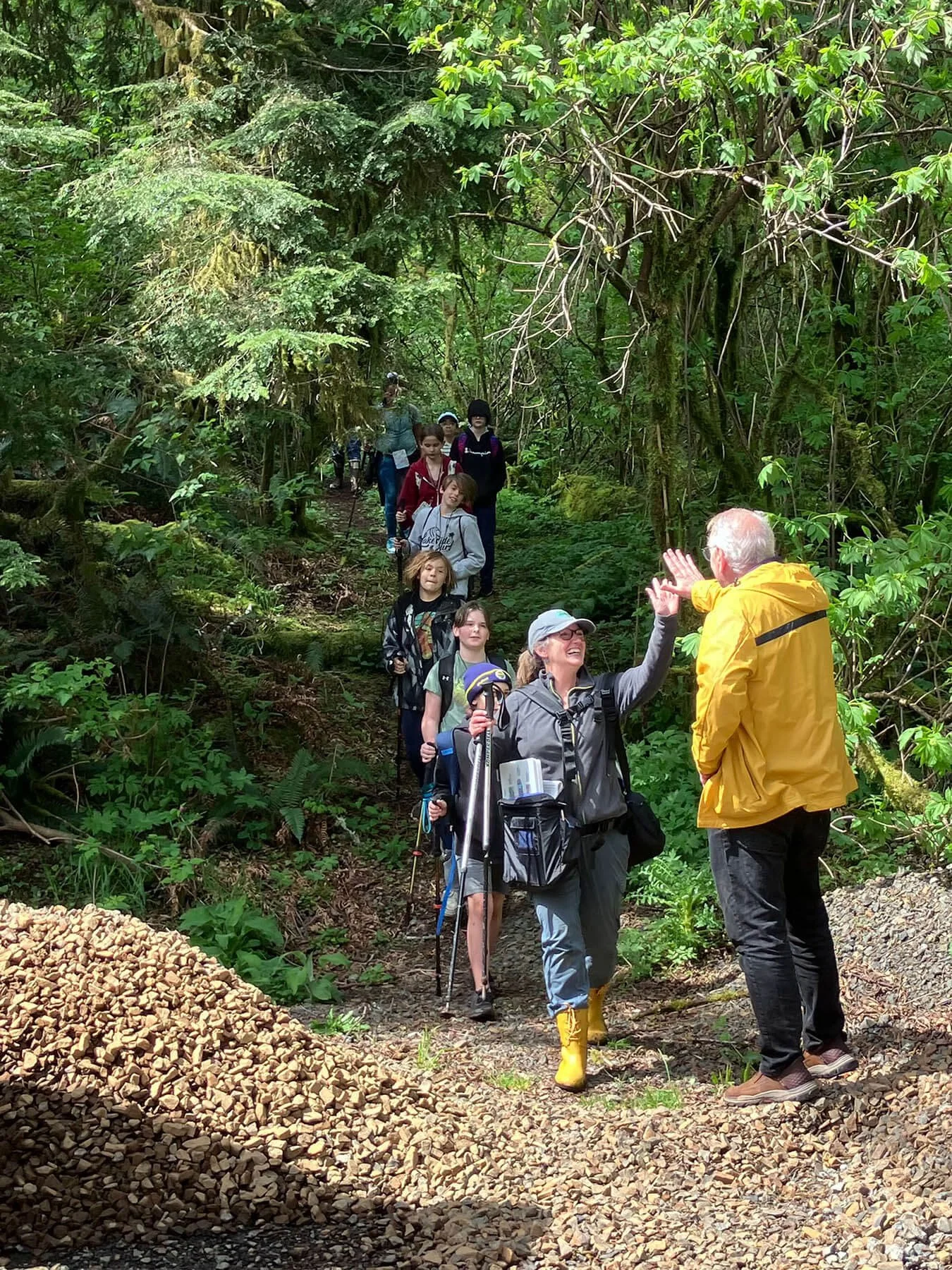
Elevating science, education and cooperative conservation
In 1974, the United States nominated 20 biosphere reserves — some of the first in the world recognized by the UNESCO Man and Biosphere Program.
Today, 28 U.S. biosphere regions continue to use science and education to address rapid environmental change.
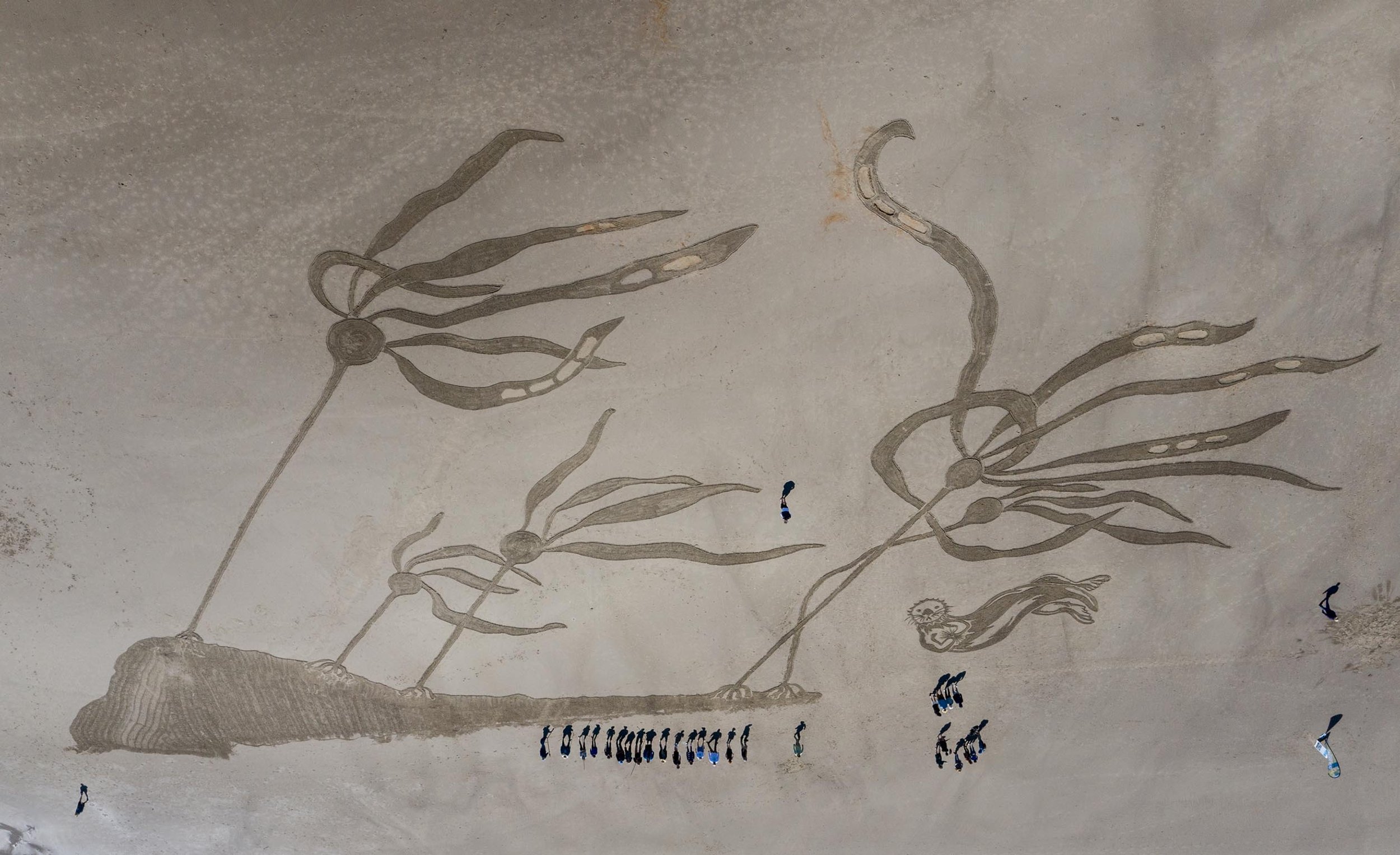
Reaching across landscapes to improve quality of life and the environment
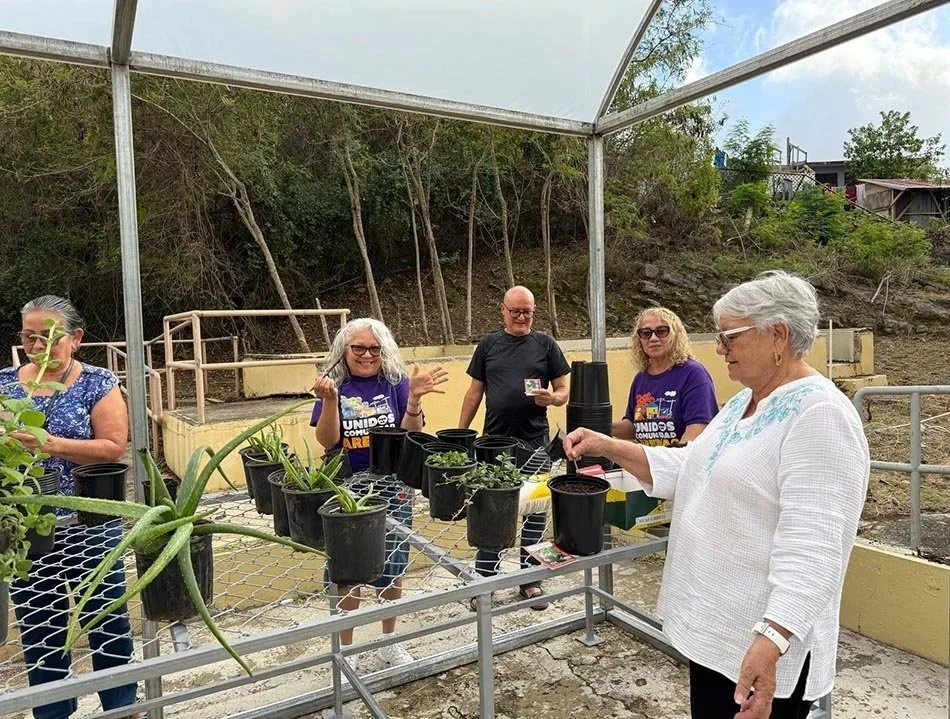
Biosphere regions embrace and promote the cultural heritage and livelihoods of urban and rural communities, including Indigenous and underserved communities. Biosphere regions connect across these communities with state and national parks, national marine sanctuaries, and national forests.
conservation done differently
Our unique geography enables partners to seek solutions at broad landscape scales, using a voluntary and nonregulatory approach
Building relationships with the World Network
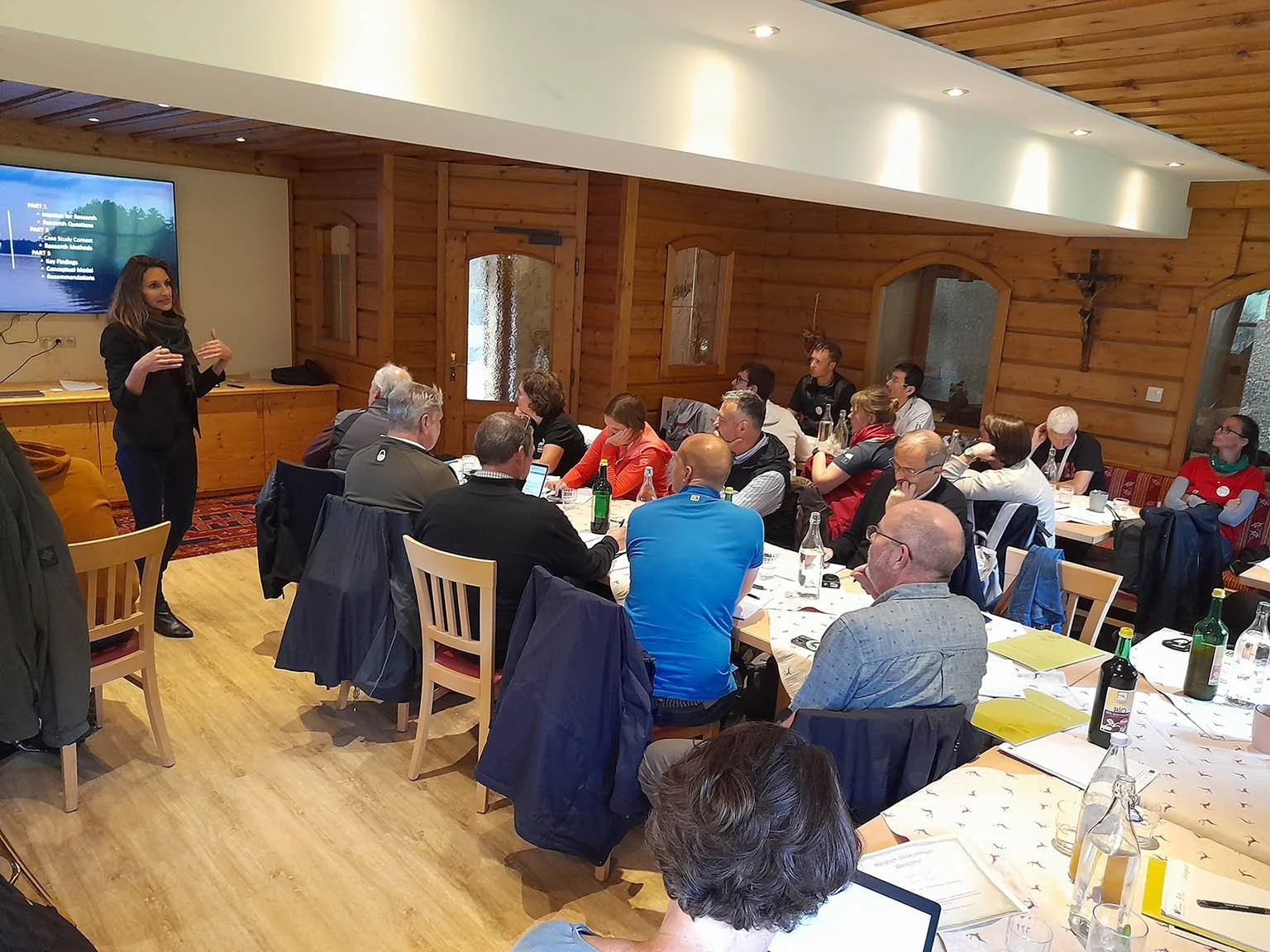
International recognition enables us to share our experiences and learn from others in the World Network of Biosphere Reserves.
We lead and participate in thematic working groups and scientific exchanges with our counterparts in Europe, Canada, Mexico and many of more than 700 biosphere reserves.

Subscribe to receive our quarterly newsletters and special communications