building a more sustainable future
Our Collaborative Approach
Although they include parks and protected areas, biosphere regions take a much broader approach by engaging communities where people live and work in enhancing their quality of life. Biosphere regions harness the collective skills and programs of public and private organizations to achieve greater impacts than one organization working alone.
Partners work together locally and internationally to build positive relationships between people and the environment, including rural and Indigenous peoples, to improve livelihoods and address environmental and social changes.
Scroll to see recent projects!
•
Growing healthy food in sustainable ways
•
Enriching and educating communities
•
Empowering and engaging youth
•
Saving the Endangered Sonoran Pronghorn
•
Forecasting and adapting to environmental change
•
Galvanizing community action
•
Extending the hand of scientific diplomacy
•
Participating in international forums
• Growing healthy food in sustainable ways • Enriching and educating communities • Empowering and engaging youth • Saving the Endangered Sonoran Pronghorn • Forecasting and adapting to environmental change • Galvanizing community action • Extending the hand of scientific diplomacy • Participating in international forums
Growing Healthy Food in Sustainable Ways
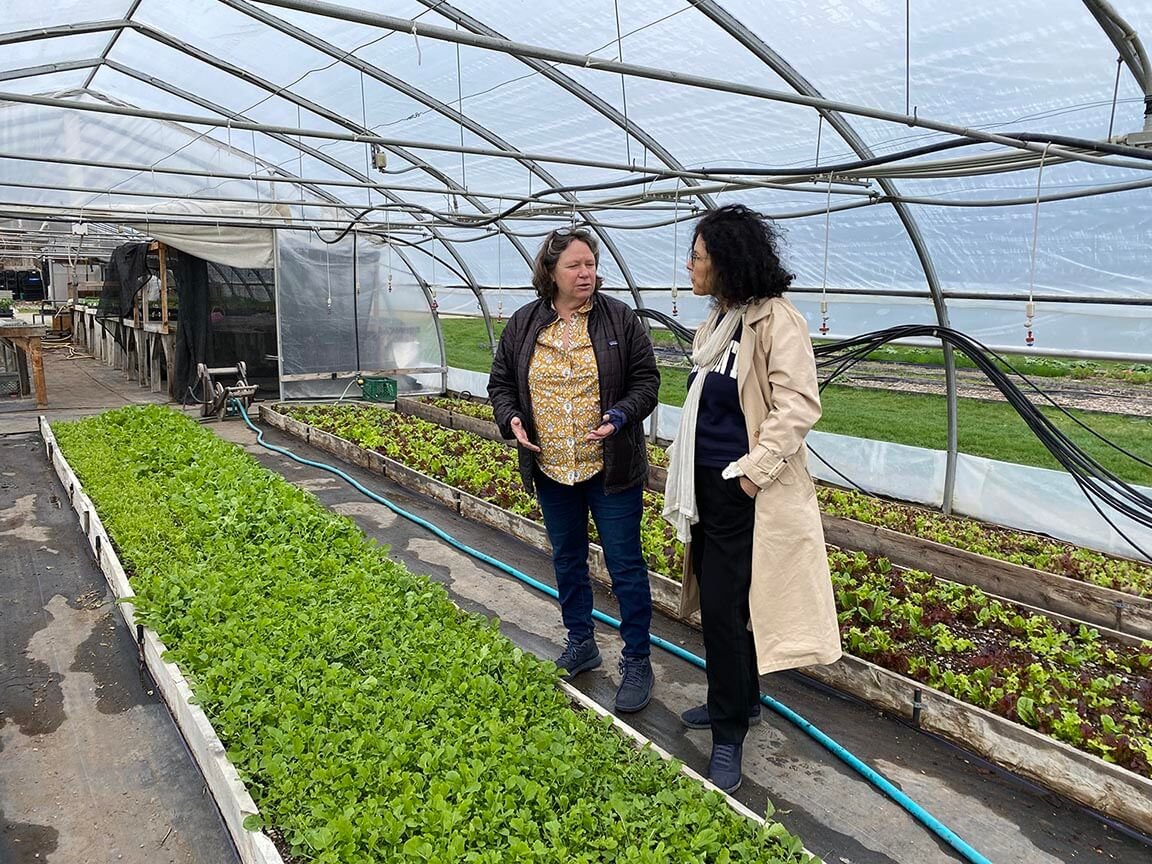
Working across biosphere regions, the USBN Sustainable Food Education Program expands capacity for growing food sustainably and improving food access via local classroom education and experiential learning programs, particularly in underserved rural and tribal communities. Local farmers, schools, nonprofits, civic organizations, and Indian tribes come to the table to exchange knowledge and explore food heritage and culinary traditions.
Enriching and Educating Communities
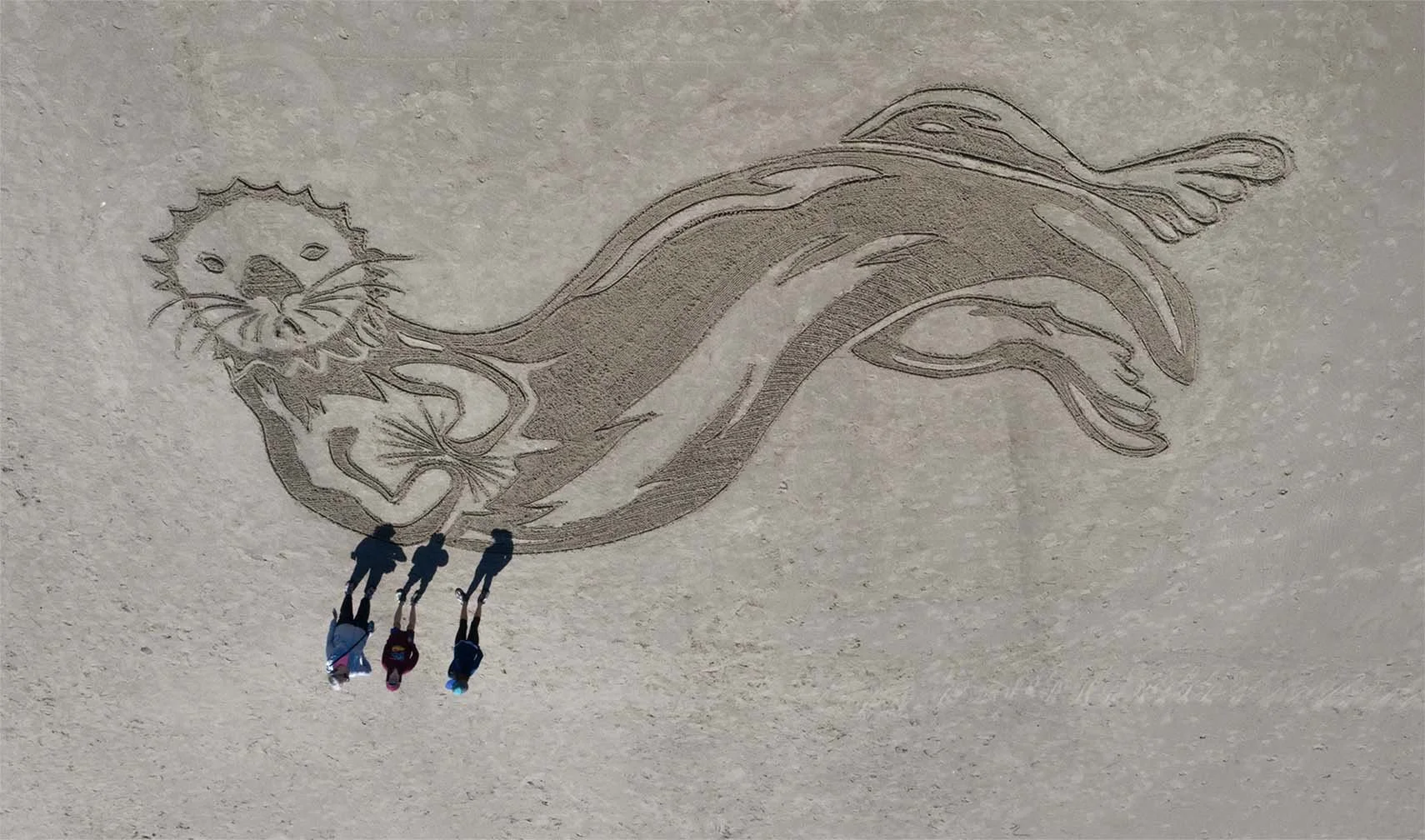
Biosphere regions offer rich learning opportunities to explore their beautiful resources and abundant wildlife. On the Oregon coast, the Cascade Head Biosphere Region created educational video and field-based curricula for K-8 children to dive into their relationships to water and the wildlife around them. Sea-life printing classes and an annual community sand art contest embrace the power of art to educate and inspire.
Empowering and Engaging Youth
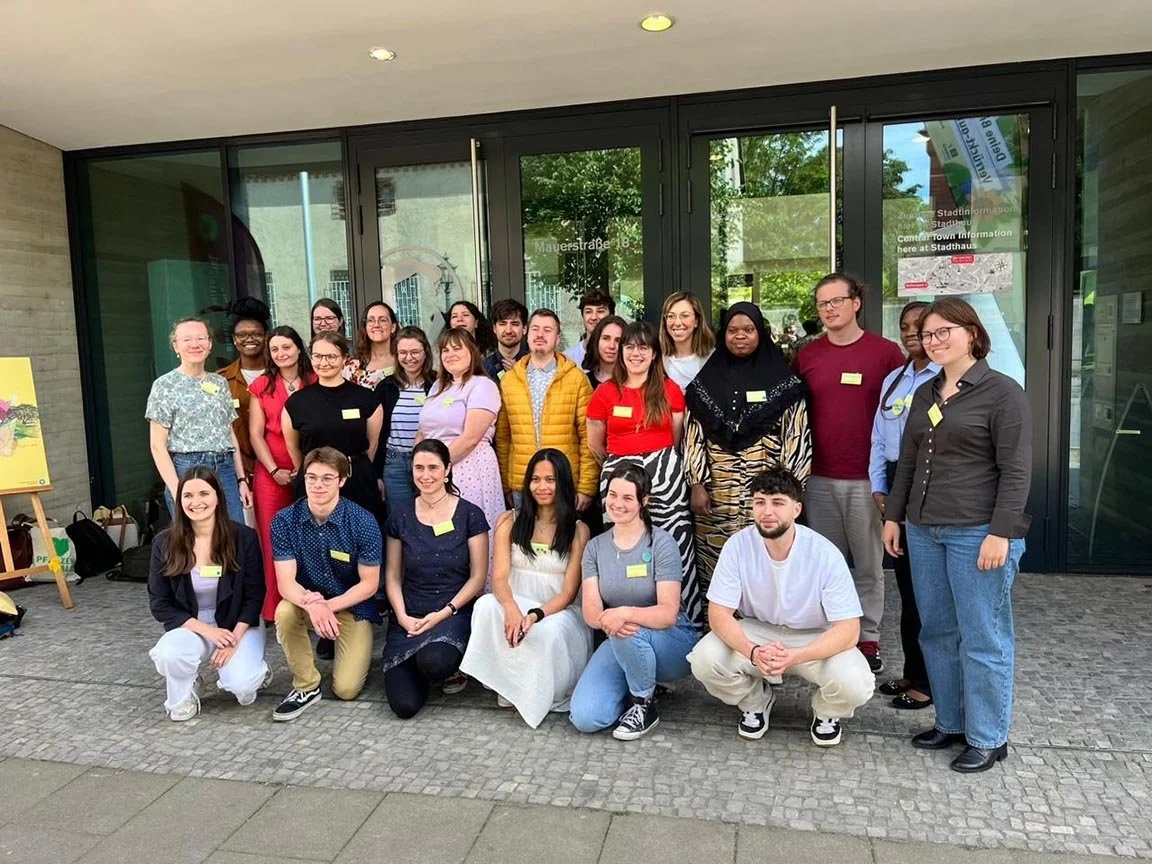
The USBN Youth Board builds youth engagement in the USBN and the international Man and the Biosphere (MAB) Programme, pursuant to the United Nations Operational Strategy on Youth, and Target 20 of the Hangzhou Strategic Action Plan.
The Youth Board encourages youth participation in biosphere regions and engages with decision-makers at international conferences.
Saving the Endangered Sonoran Pronghorn
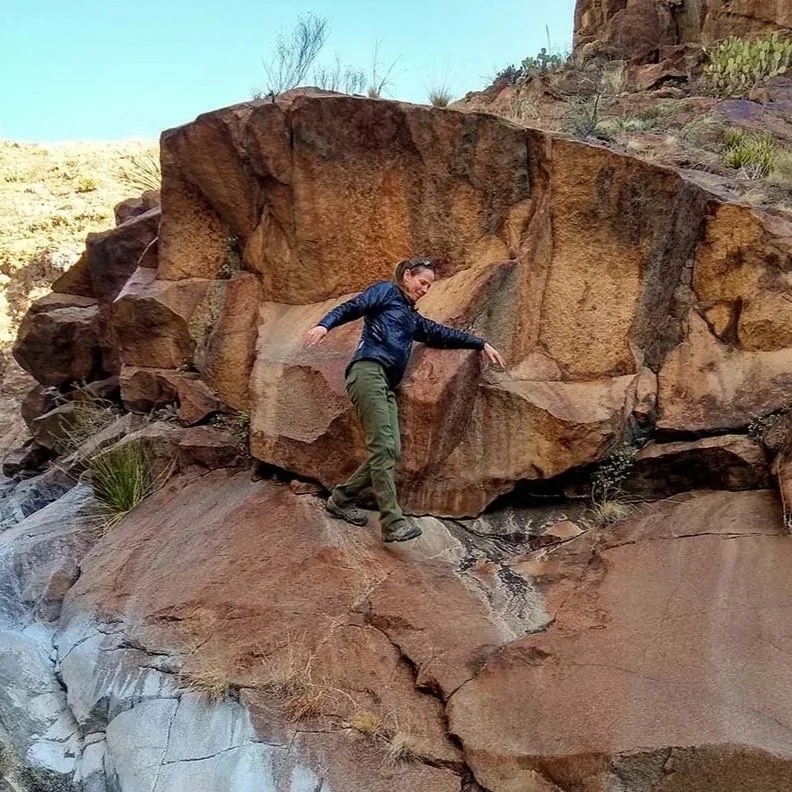
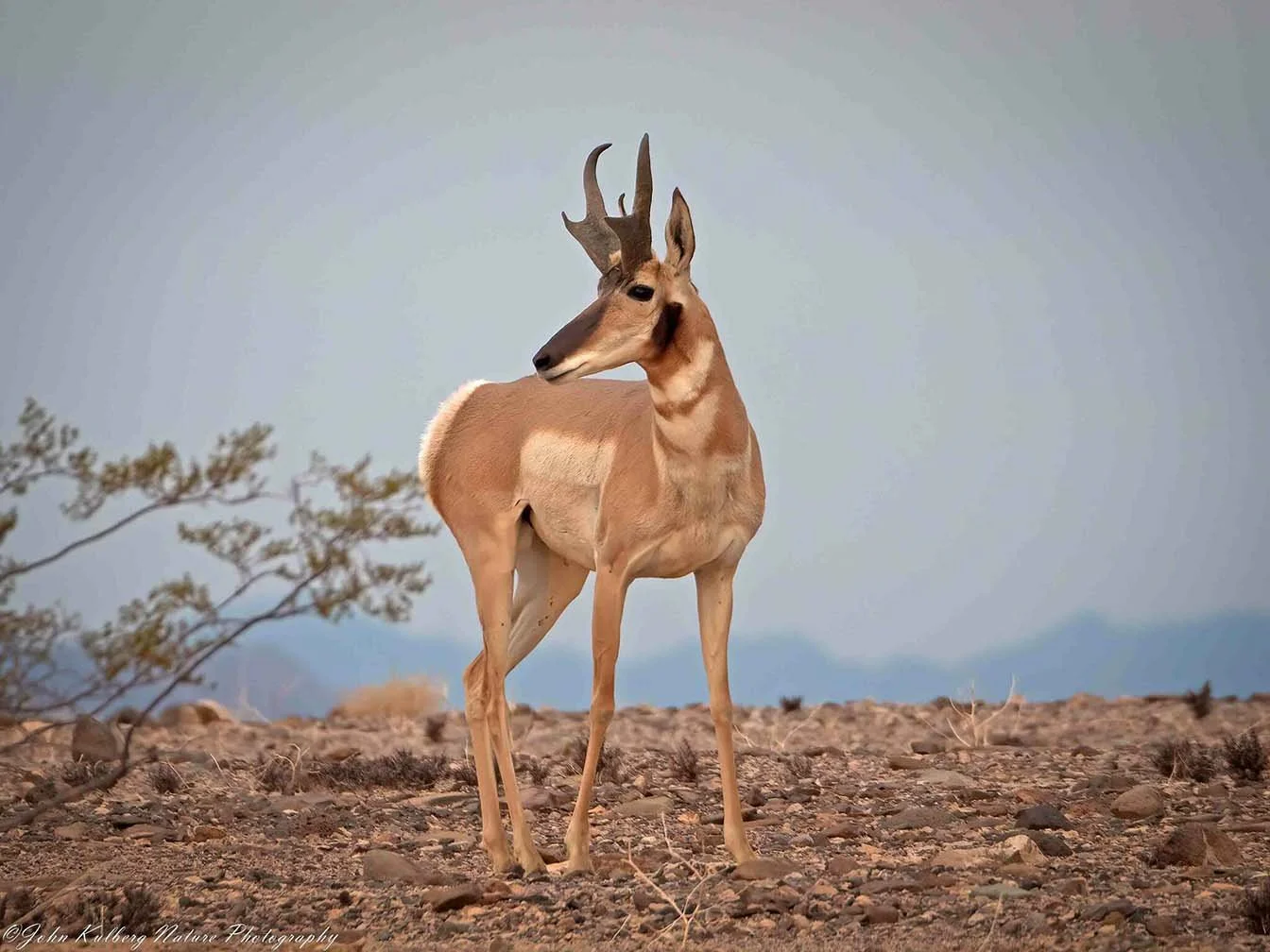
Biosphere regions are designed geographically to improve ecological connectivity. The Sonoran Desert Biosphere Region hosted a workshop with wildlife experts from the U.S. and Mexico to explore ways to reconnect critical habitats and migration corridors for the endangered Sonoran pronghorn. The Center for Large Landscape Conservation performed connectivity modeling to identify potential locations for safe passages across highways.
Forecasting and Adapting to Environmental Change
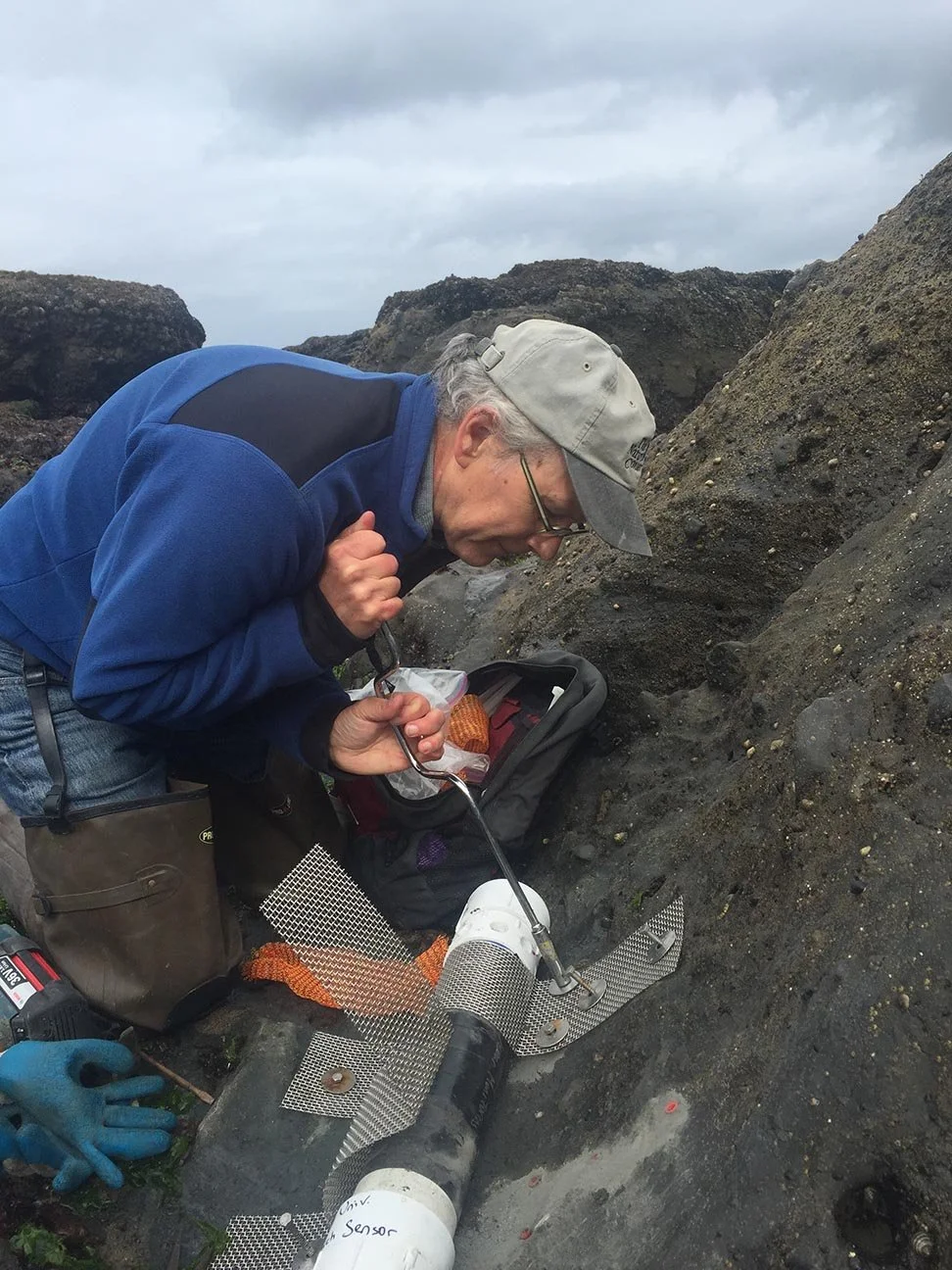
Biosphere regions study the potential climate vulnerability of human and natural communities and how they can adapt to environmental change.
The Golden Gate Biosphere Network in the Bay Area created a climate assessment and adaptation plan for 21 key plant and animal species and their habitats, as well as coastal and marine resources.
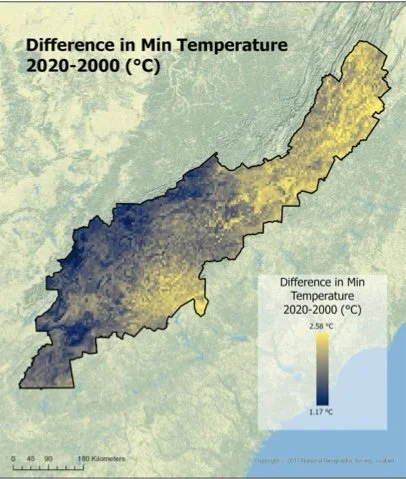
The Southern Appalachian Biosphere Region developed a social/environmental climate vulnerability assessment of sensitive populations in localities across seven states.
Galvanizing Community Action
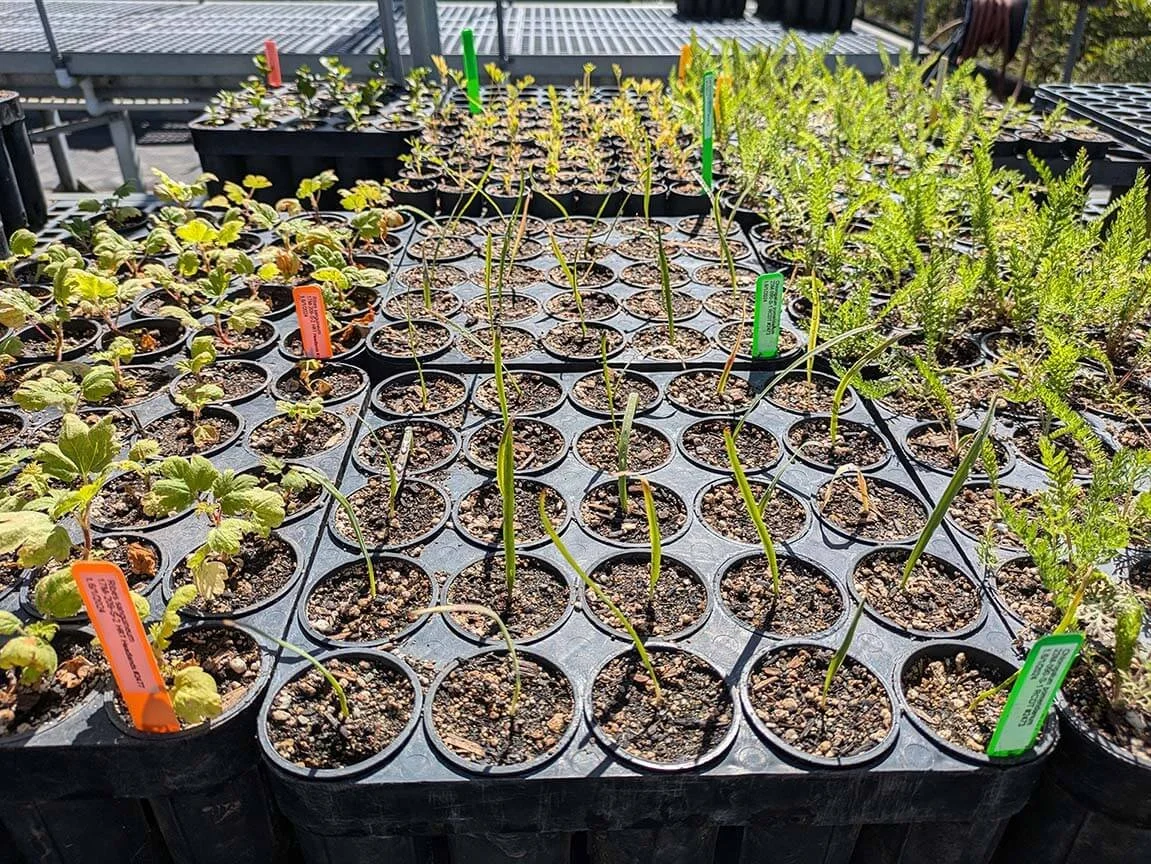
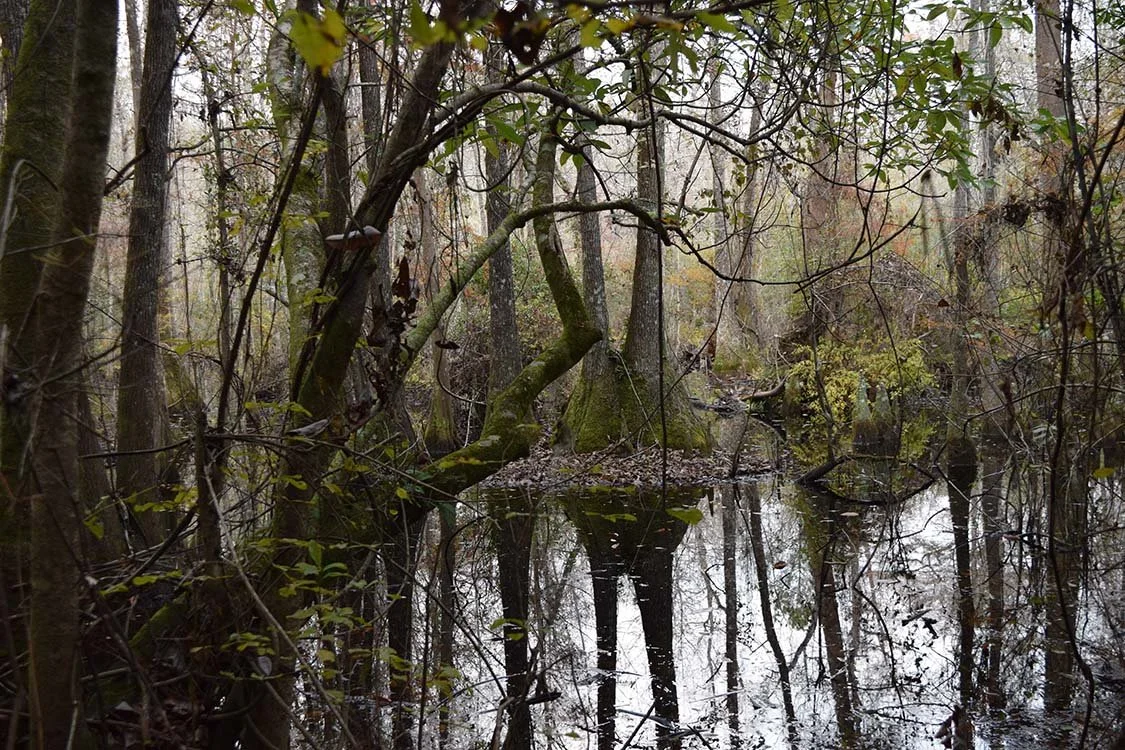
Community conservation is a main function of a biosphere region. Big Thicket Biosphere Region in East Texas organizes native plantings, river cleanups, longleaf pine planting, controlled burns, and pollinator gardens.
Extending the Hand of Scientific Diplomacy
U.S. and Mexican students and scientists have met and traveled between the Mammoth Cave Biosphere Region in Kentucky and the Sian Ka’an Biosphere Reserve in Mexico to exchange knowledge and increase scientific understanding of cave and karst systems.
Western Kentucky University co-leads CaveMAB, a global network of biosphere reserves that study and manage caves.
Participating in International Forums
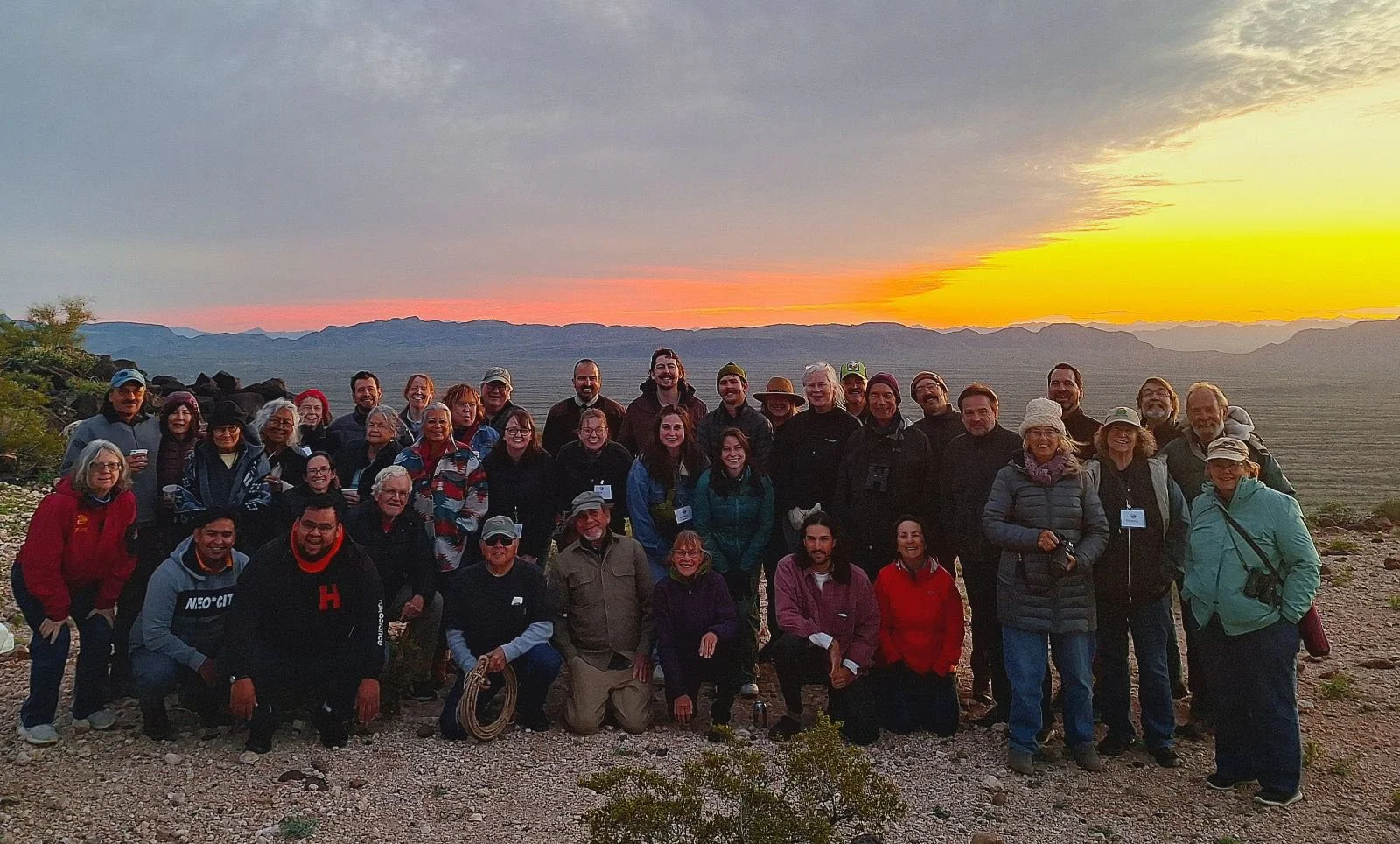
The World Network of Biosphere Reserves consists of 784 biosphere regions in 142 countries. The USBN participates in networks and forums and provides input into action plans for the international MAB Program.
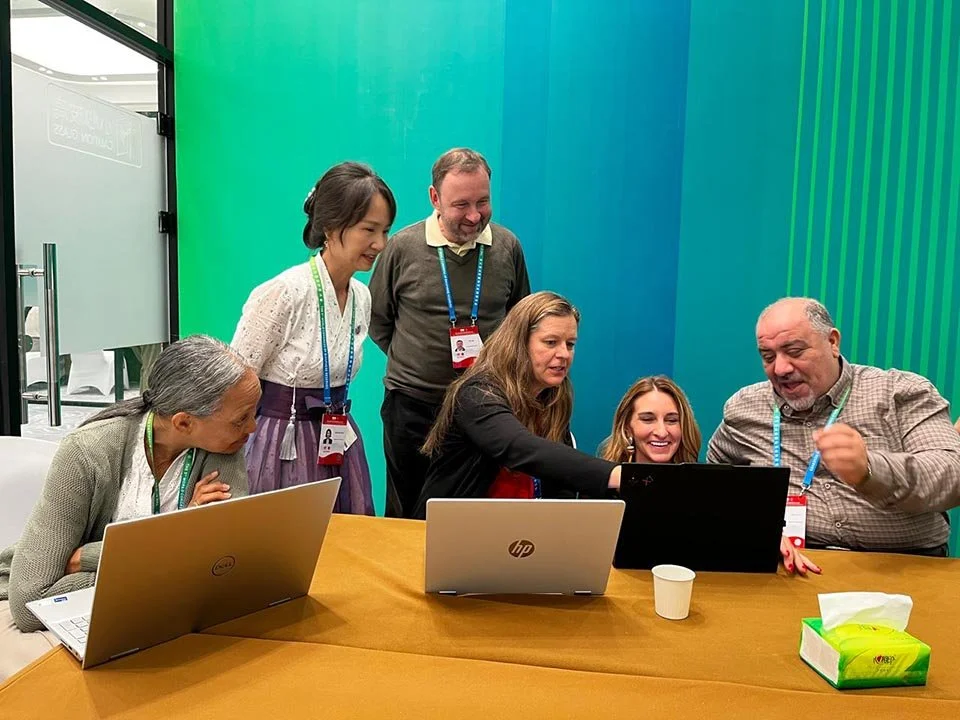
In 2025, U.S. delegates attended the 5th World Congress of Biosphere Reserves in Hangzhou, China.